
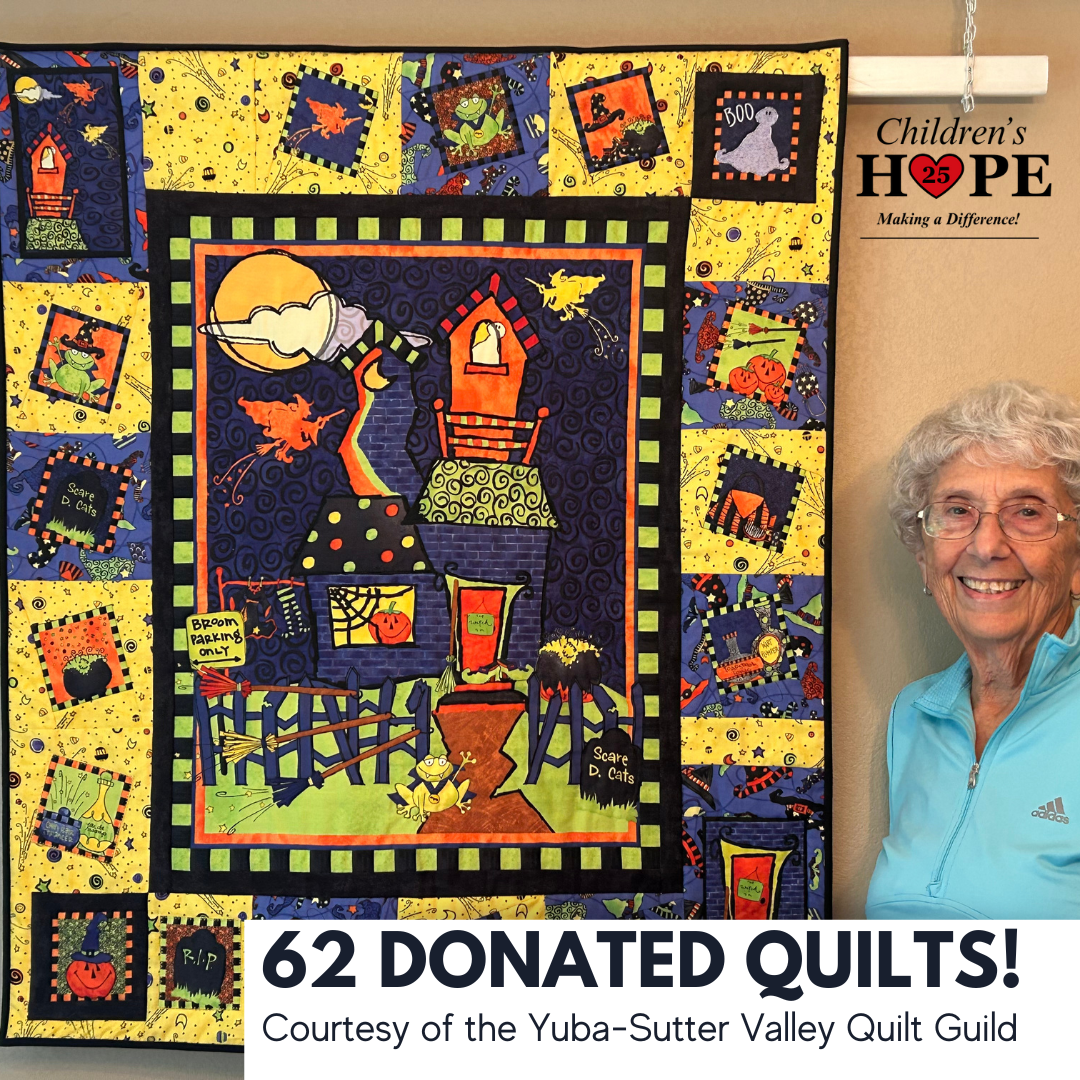
Wrapped in Love: 62 Handmade Quilts from the Yuba-Sutter Valley Quilt Guild
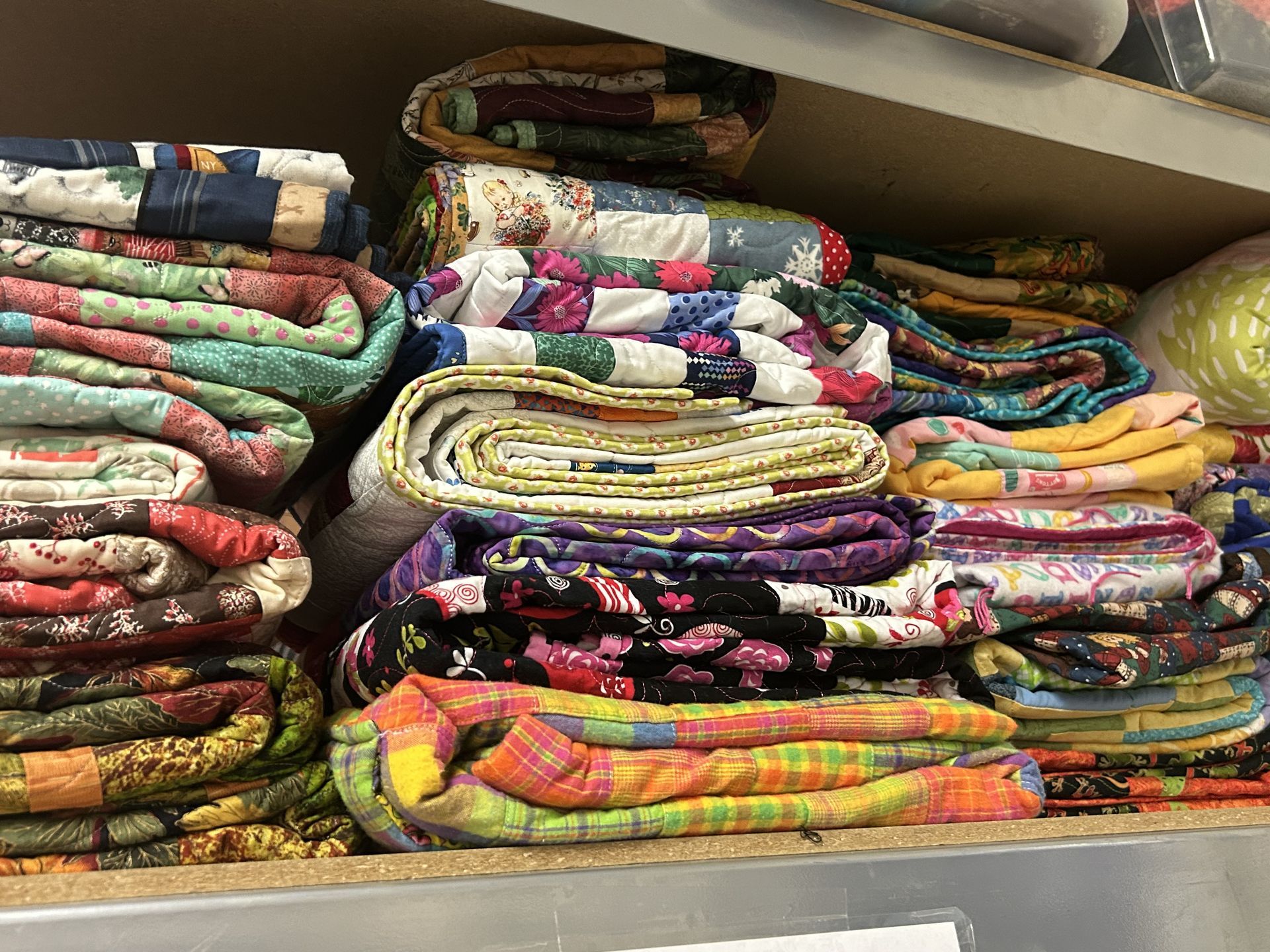
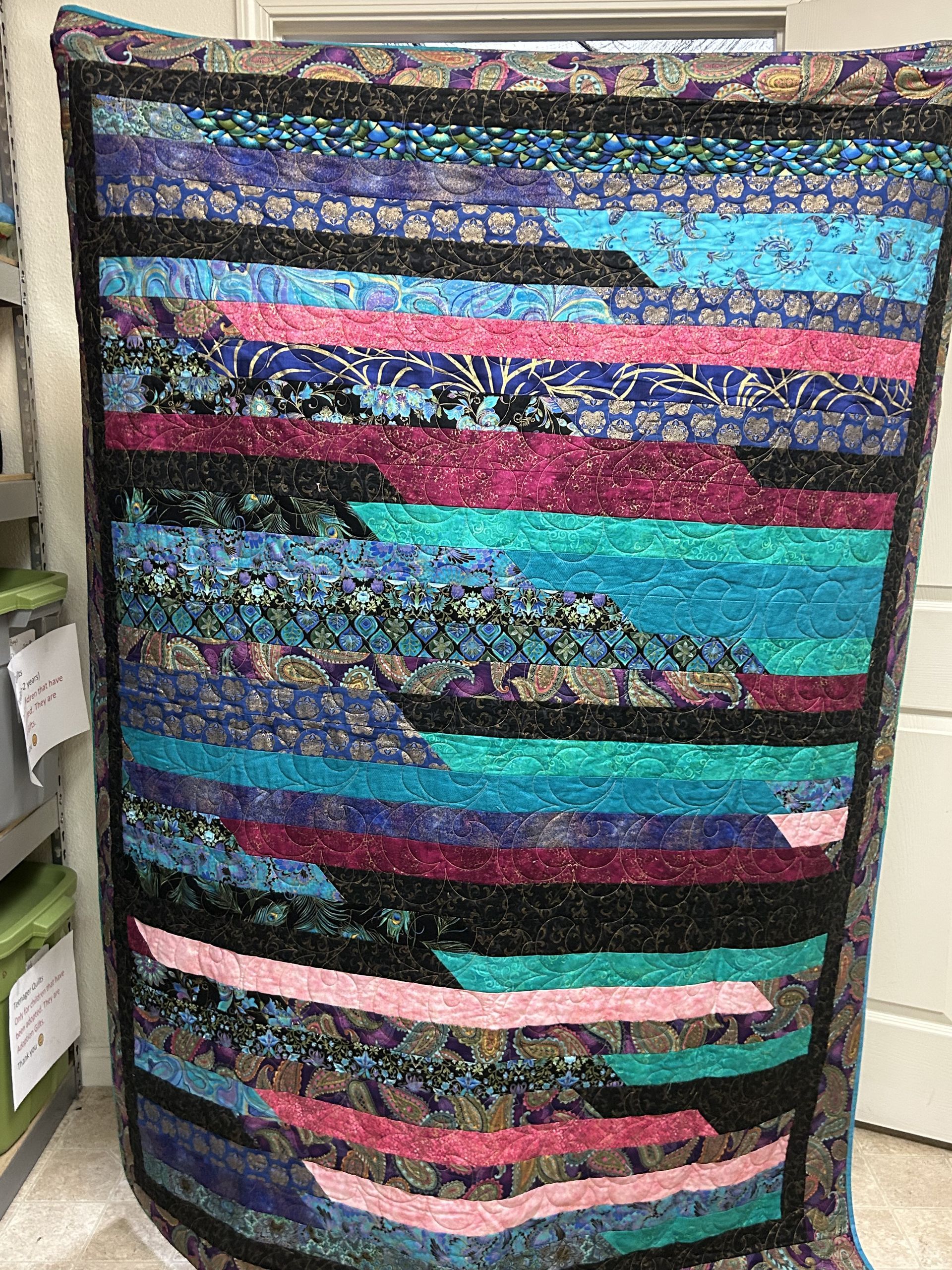
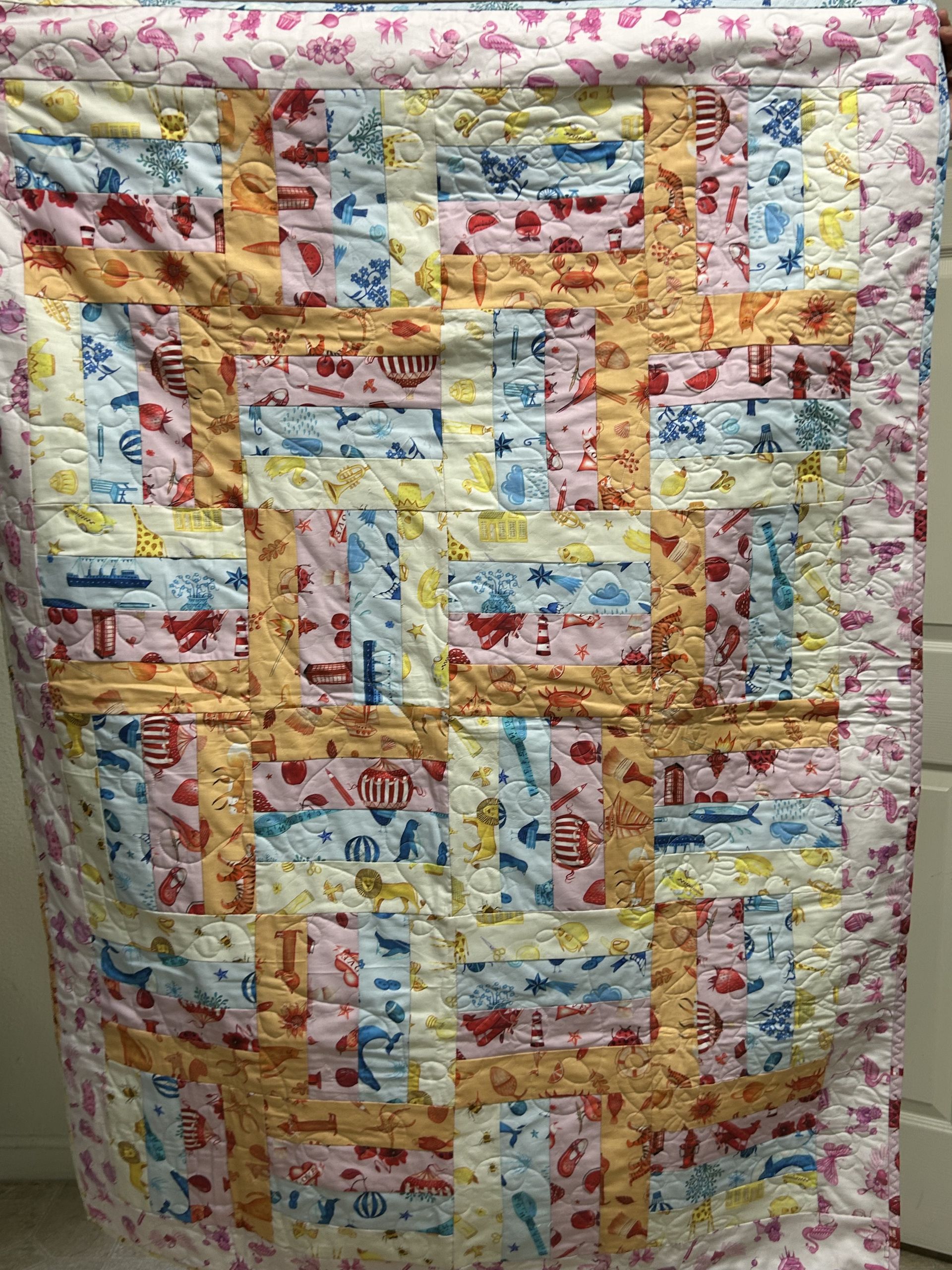
There are donations—and then there are love-filled masterpieces. Recently, the Yuba-Sutter Valley Quilt Guild generously gifted Children’s Hope 62 handmade quilts, each one ready to wrap a foster child in comfort, care, and a sense of belonging. These are not just blankets—they are works of art, expressions of kindness, and tangible symbols of hope for kids who deserve every bit of it.
A Gift That Speaks Volumes
Imagine a child—young or old—pulling up a quilt, feeling the texture, seeing the patterns, and knowing someone cared enough to craft it just for them. These quilts were made with that intention.
They are unique, beautifully designed, and reflect the individuality of each child who will receive one. Because every child is unique, and every quilt is too.
About the Yuba-Sutter Valley Quilt Guild
Located in Marysville and representing Yuba and Sutter Counties in Northern California, the Guild was founded in 1981 and has grown into a vibrant community of quilt-makers. Their mission: to foster appreciation for fine quilts, share knowledge of techniques and textiles, and serve the community through quilting.
Through educational meetings, workshops, and public quilt shows, they bring creativity and service together.
We are deeply honored that this passionate group chose to donate their artistry to Children’s Hope.
Why This Matters to Foster Children
Many children in foster care move frequently. A handmade quilt becomes something of their own—something they can keep even as everything else changes.
Quilts offer comfort during transitions and provide quiet times at home. This donation bridges the gap between craft and community service—two forces that change lives in small, meaningful ways.
A Big Thank You
To the Yuba-Sutter Valley Quilt Guild—your talent, generosity, and heart are shining through these quilts.
To the foster children who will receive them—you deserve warmth, joy, and a place that’s yours.
And to our community—thank you for believing in hope, in personal touches, and in the power of handmade love.
We will be sharing a quilt or two on social media every Monday to inspire you to explore your own creativity--and potential generosity!
Want to help?
If you’d like to donate and support Children’s Hope’s work with foster children, please contact us at the WAYS TO GIVE
page on this website or call 530.846.4955. Every hand, every stitch, and every heart-filled gift makes a difference.
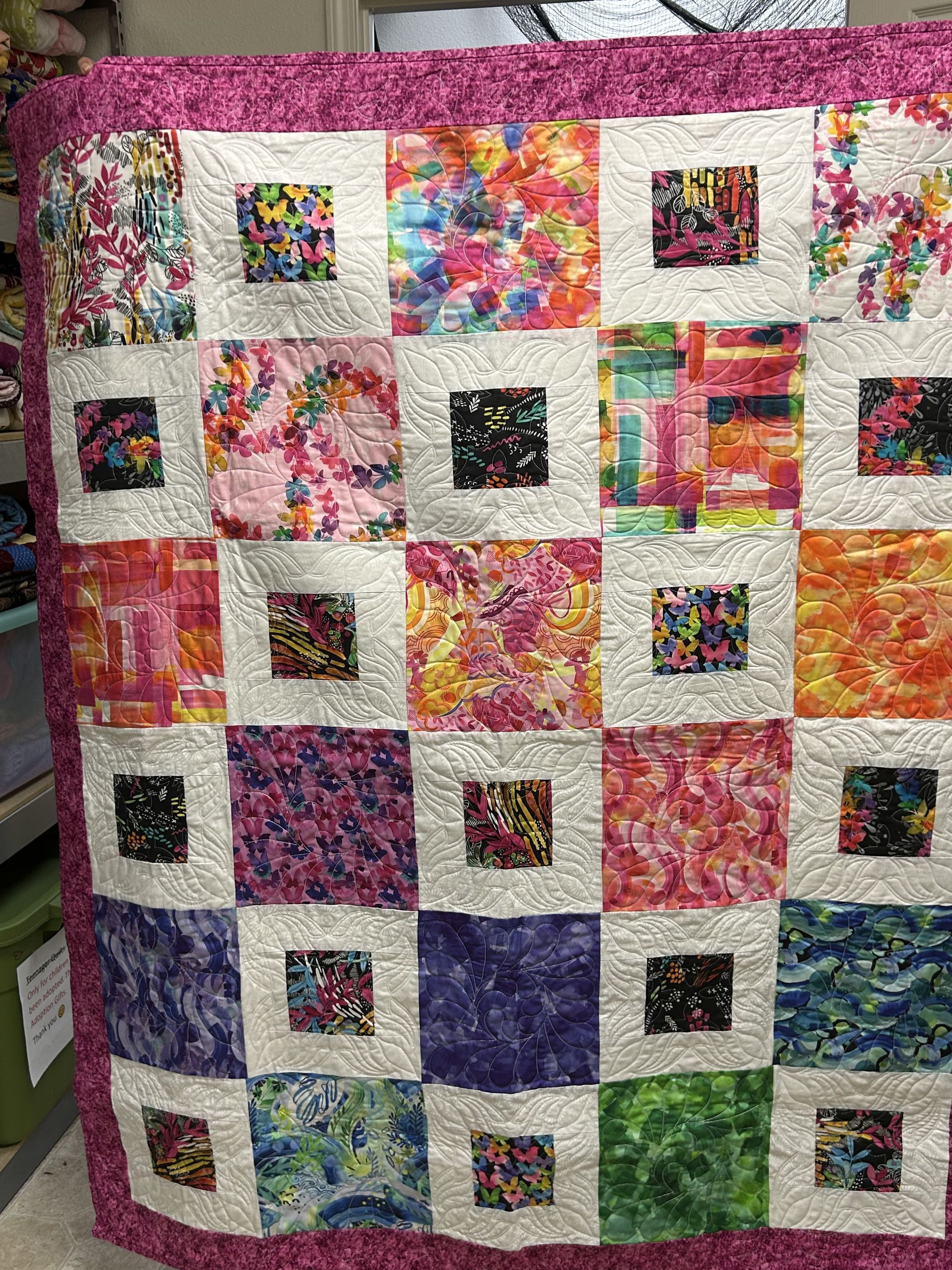
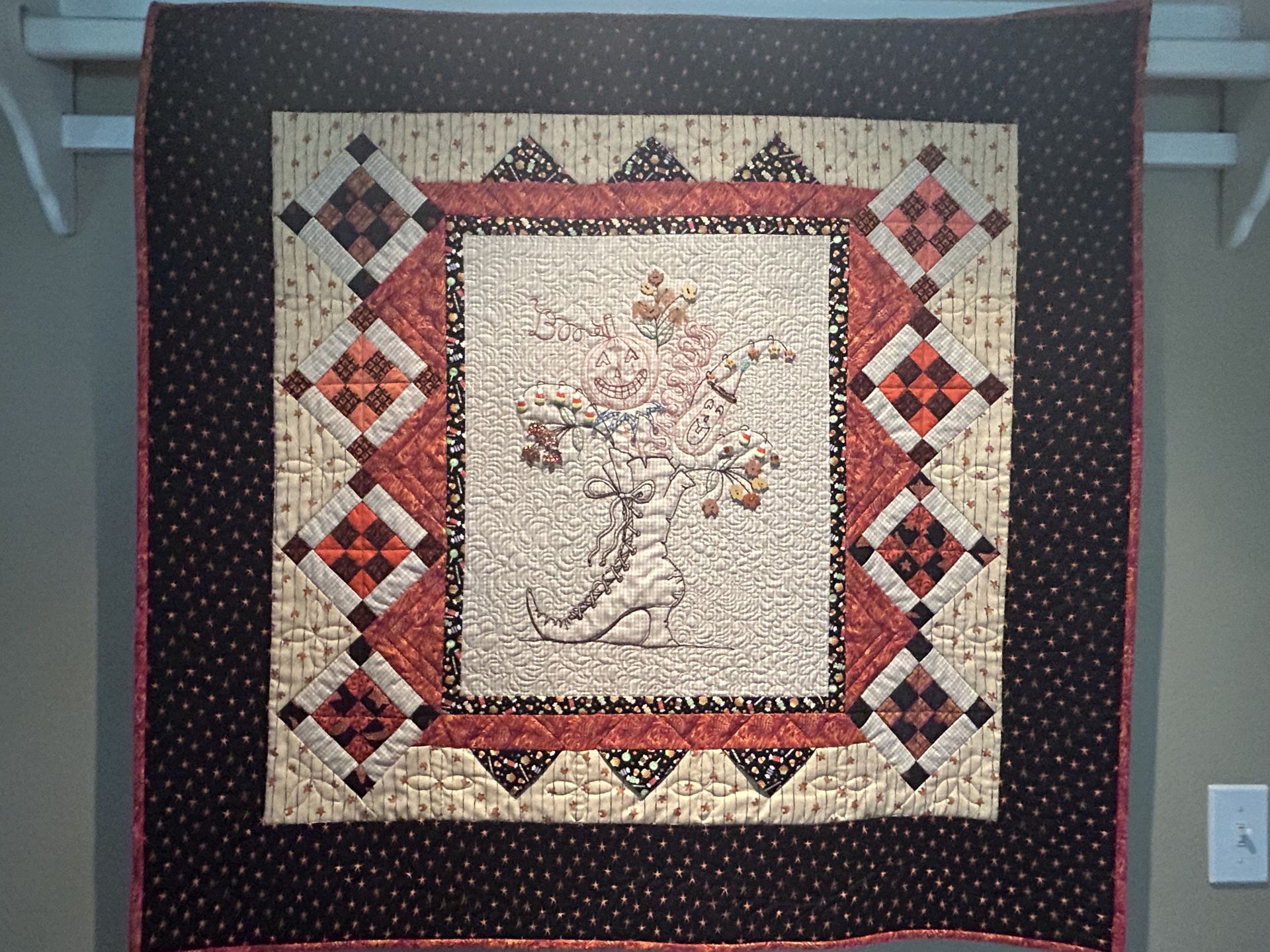
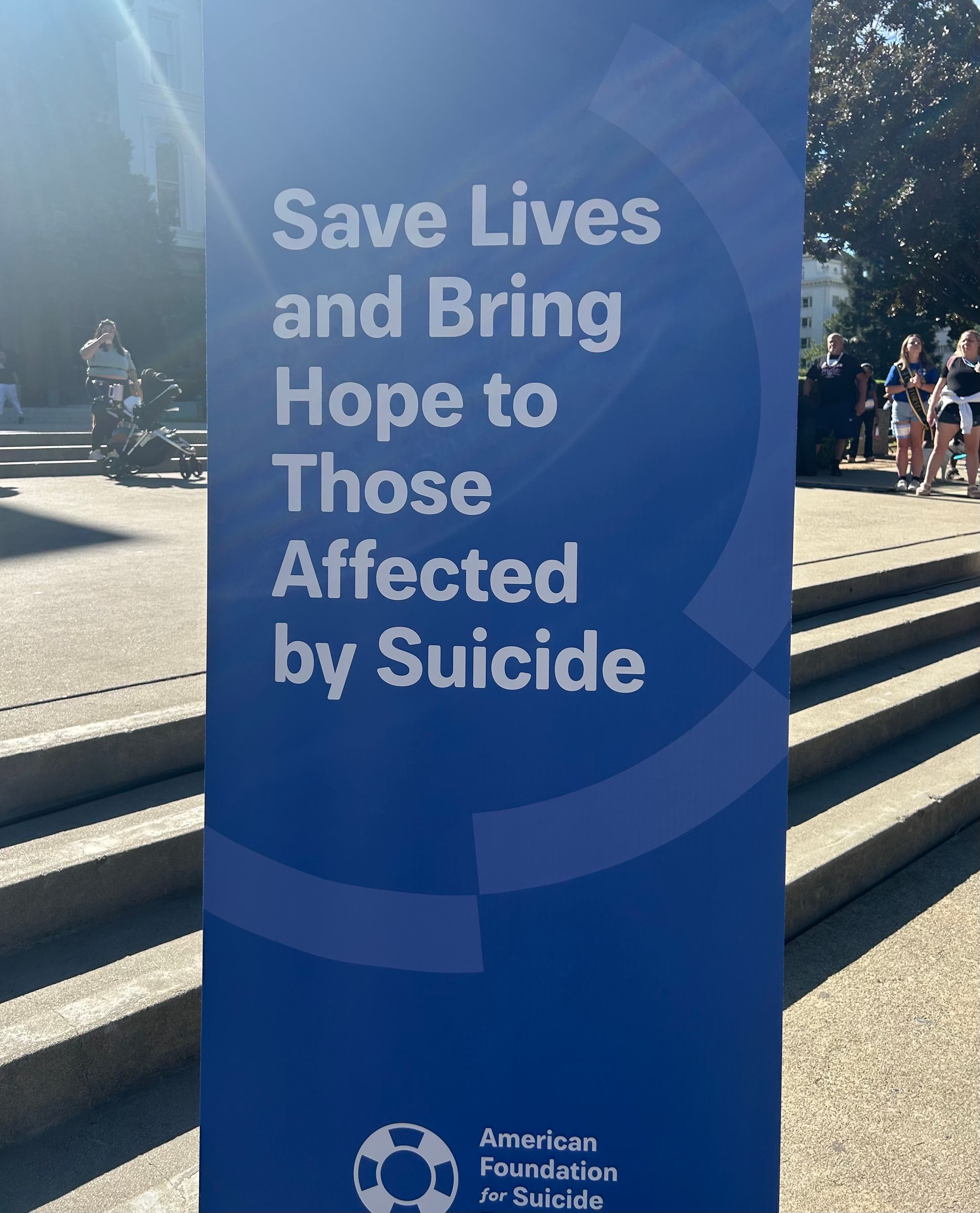
Out of the Darkness Walks are being held nationwide to spread awareness of suicide prevention. Children's Hope staff attended the Sacramento walk.
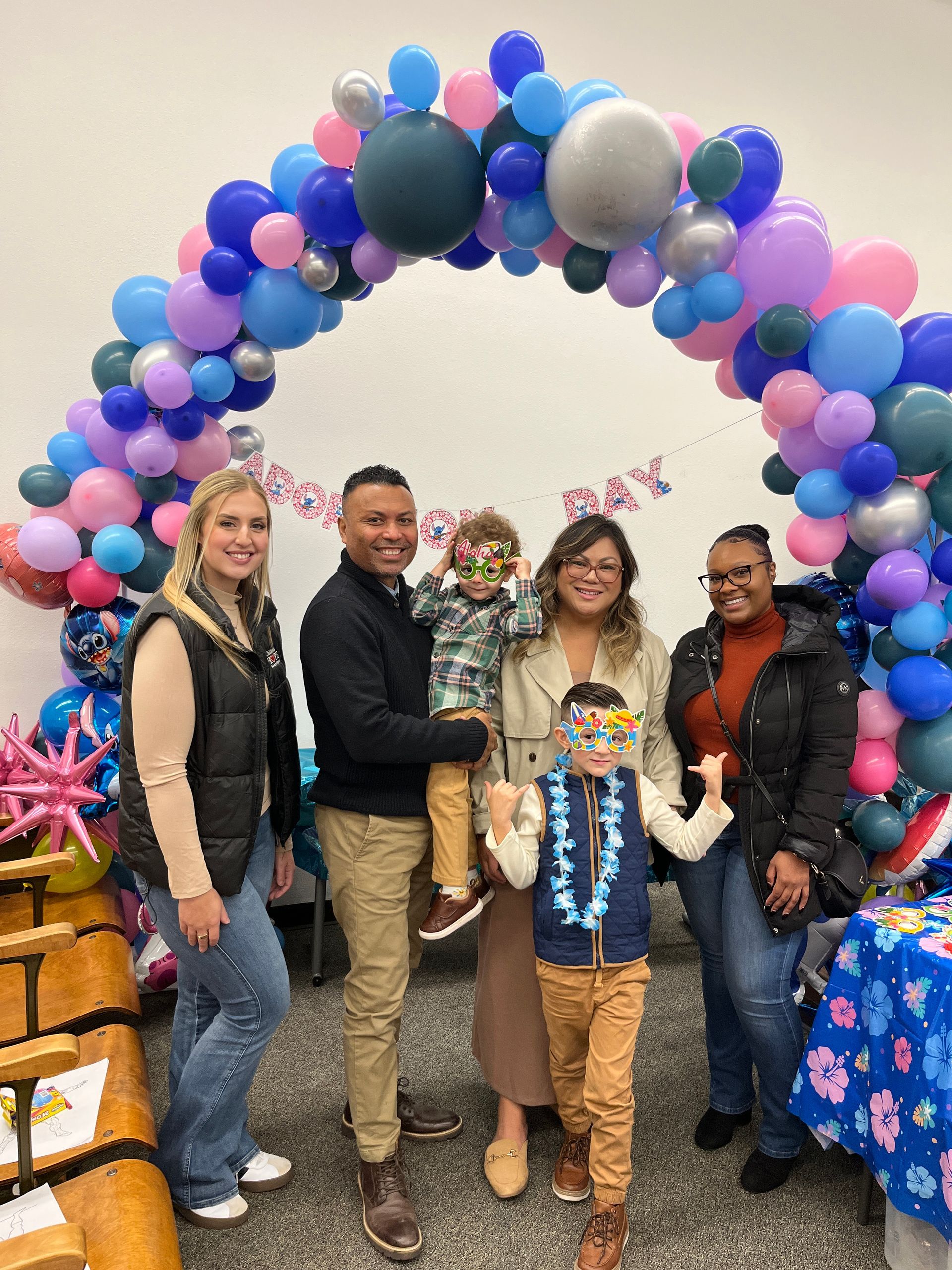
Read the beautiful adoption story of a Children's Hope family--from foster to adopt with support every step of the way.
Understand the role of Resource Parents in foster care. Join us in supporting children & families on their journey to healing.
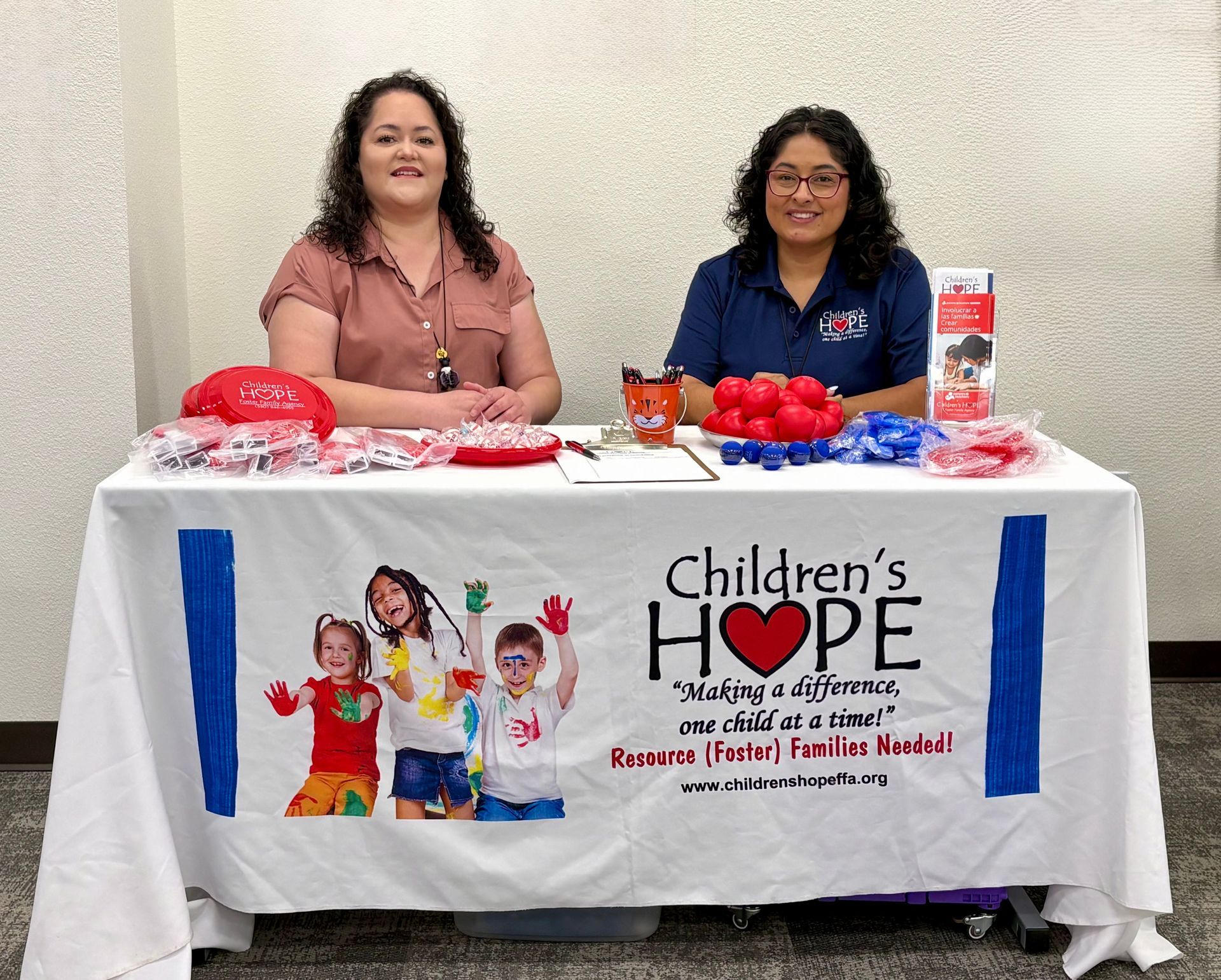
Parents as Teachers helps parents and caregivers

Fairways for the Future
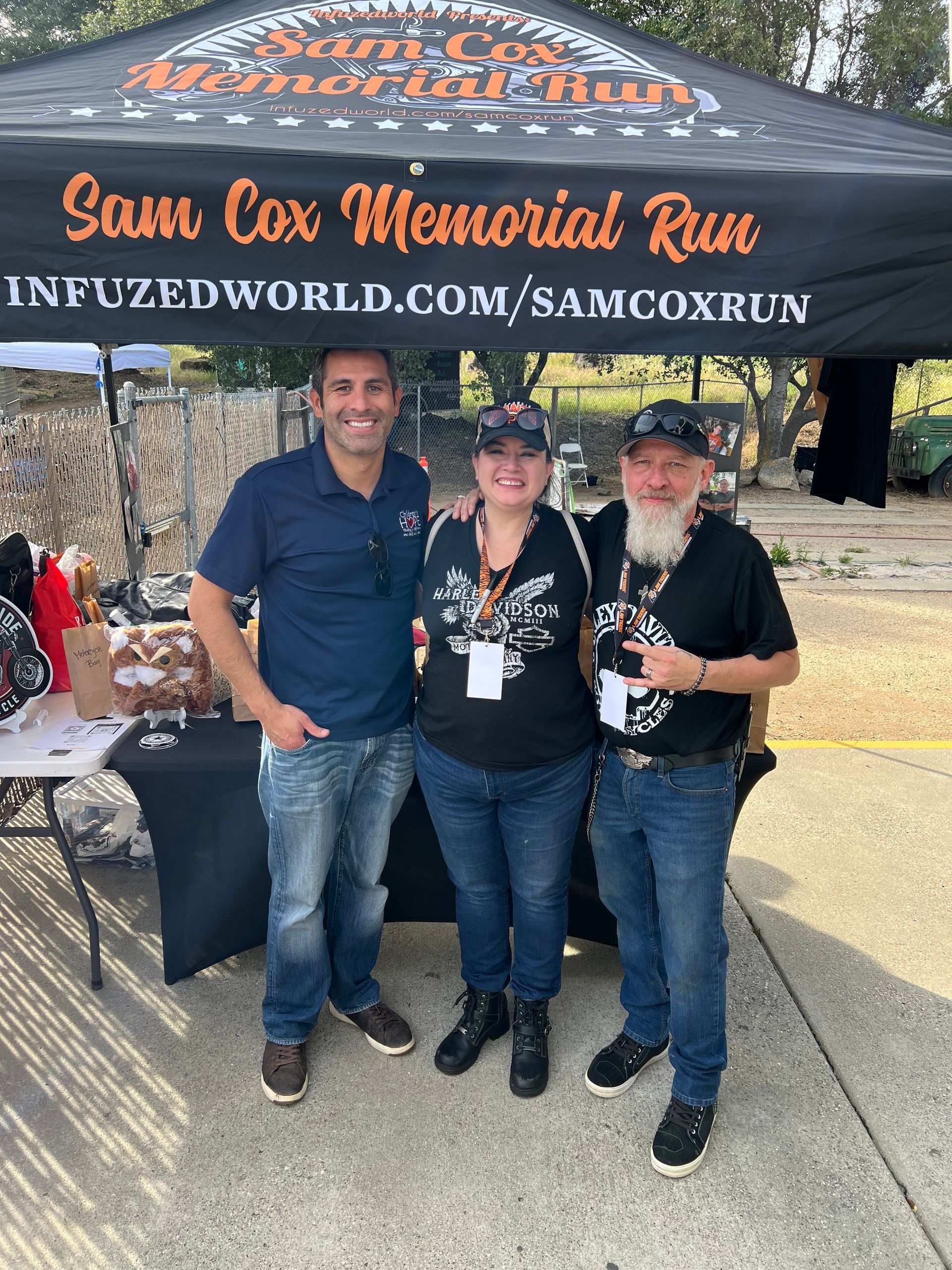
The Sam Cox Memorial Run honored a great man, friend and lover of the "wind." Benefitting Children's Hope, the Sam Cox Memorial Run was a great event
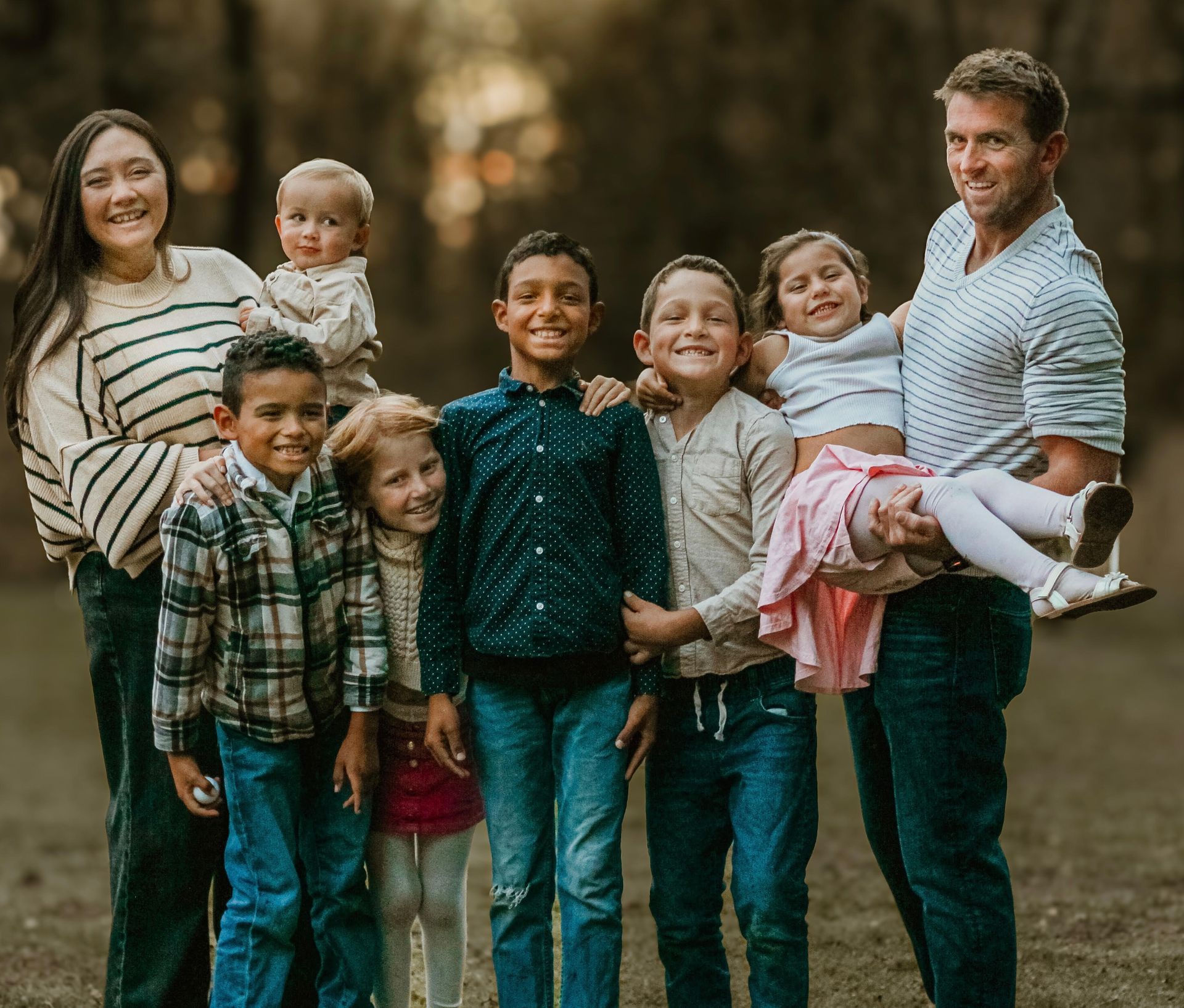
Read Rachel's inspiring story of adoption through foster care and learn how you can make a difference as a resource parent in northern california

At Children’s Hope, our resource parents are at the heart of everything we do—and recently, we had the privilege of celebrating them in a truly special way. Held at Hard Rock Casino Sacramento in Wheatland, our Resource Parent Appreciation Dinner brought together families, children, and staff for an evening filled with joy, connection, and gratitude. From the moment guests arrived, the ballroom buzzed with excitement. Children eagerly checked in for raffles, their eyes lighting up as they admired the incredible displays of bikes, scooters, toys, and gift cards—each one sparking hope and anticipation. The evening was beautifully set with thoughtful décor, delicious food, and meaningful touches throughout. Children's Hope staff did a wonderful job organizing the event and preparing every last detail! As everyone gathered, Crystal Carter, CEO-in-Training, welcomed guests with heartfelt remarks, sharing powerful insights about the impact and importance of resource parents. Behind her, a moving presentation of photos, quotes, and stories highlighted the lives touched by their care and commitment. Guests enjoyed a wonderful meal together, surrounded by a genuine sense of community. Founders Heather and Ben greeted families with warm hugs, creating an atmosphere that felt more like a family gathering than an event. Throughout the evening, staff members connected with guests, ensuring every detail was thoughtfully handled, and every family felt seen and appreciated. This special night would not have been possible without the incredible support of our sponsors: The Hard Rock Casino Sacramento at Wheatland, PG&E, JanYo, Crumbl Cookies, and Good Guys Heating & Cooling. Their generosity goes beyond financial contributions—it reflects a deep understanding of the needs in our communities and a shared commitment to making a difference.
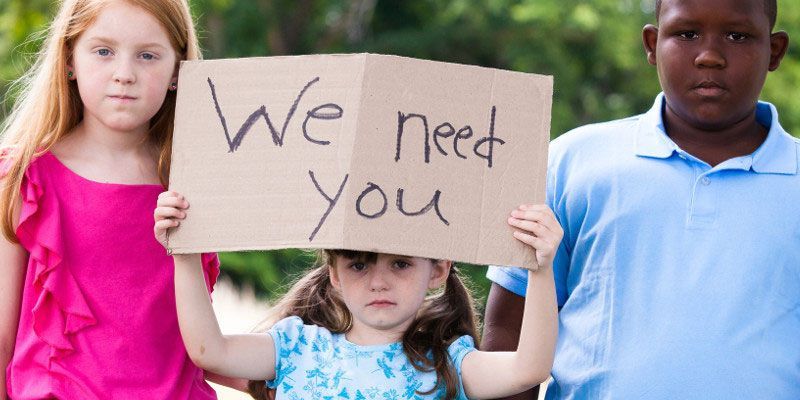
Foster care can feel overwhelming to understand—especially if you’re just beginning to explore how it works or how you might get involved. At Children’s Hope, we serve families and children across Northern California, and one of the most common things we hear is: “I want to help, but I don’t know where to start.” This guide explains how foster care works in Northern California, what families can expect, and how communities play a vital role in supporting children when they need stability most. What Is Foster Care? Foster care provides temporary, safe homes for children who cannot remain with their biological families due to safety concerns. The goal is always to support children while their families work toward reunification whenever possible. In Northern California, foster care is overseen at the county level, which means processes can vary slightly by location—but the core of foster care remains the same: ensuring children are safe, supported, and cared for during a challenging time. What Happens When a Child Enters Foster Care? When a child enters foster care, it often happens quickly and unexpectedly. Children may arrive with little more than the clothes they are wearing, which is why supportive placements—and thoughtful preparation—matter so much. Once in care: Children are placed with approved foster families or resource parents Caseworkers coordinate medical, educational, and emotional support Families receive guidance and resources to help children transition Stability, routine, and compassion make a meaningful difference during these early days. Who Can Become a Foster Parent in Northern California? Foster parents come from all walks of life. You don’t need to be “perfect”—just willing, caring, and open to learning. In general, foster parents: Are at least 21 years old Pass background checks and home safety requirements Complete training and ongoing education Have the ability to provide a safe, supportive environment Many foster parents work full-time, rent their homes, or have families of their own. What matters most is a commitment to showing up for a child. What Support Do Foster Families Receive? One of the biggest misconceptions about foster care is that families are on their own. In reality, foster parents receive ongoing support, including: Training and education Monthly financial support Caseworker guidance Access to community resources Emotional and practical support throughout each placement Foster care works best when families feel supported—and when they know they’re not navigating it alone. How Long Do Children Stay in Foster Care? Every situation is unique. Some placements are short-term, while others may last longer depending on the child’s needs and the family’s circumstances. Possible outcomes include: Reunification with biological family Placement with relatives Adoption or guardianship Throughout every step, the child’s safety and well-being remain the top priority. How Communities Support Foster Care in Northern California Not everyone is called to foster—but everyone can help. Community support may include: Donating essential items Supporting foster families Attending events and fundraisers Offering encouragement and understanding Small acts of kindness create ripple effects that strengthen foster families and help children feel valued. Final Thoughts Understanding how foster care works in Northern California is the first step toward meaningful involvement. Whether you’re considering becoming a foster parent, supporting foster families, or simply learning more, your interest matters. When communities come together, children experience stability, dignity, and hope—exactly when they need it most. Summary Foster care in Northern California provides temporary, supportive homes for children who cannot safely remain with their families. Managed at the county level, foster care focuses on child safety, family reunification when possible, and ongoing support for foster parents. Community involvement plays a vital role in helping children and families thrive during times of transition.
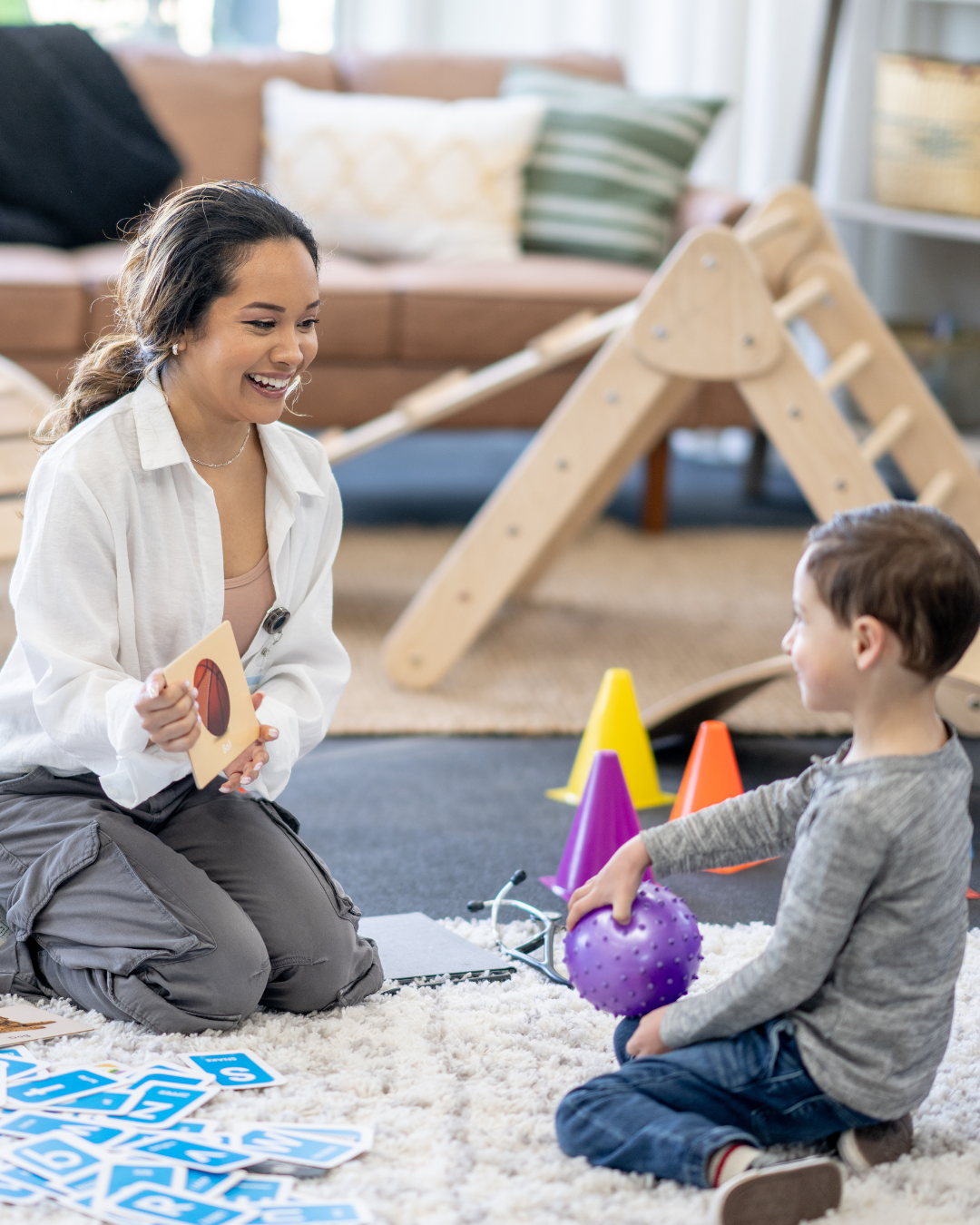
What Support Services Are Available for Foster Parents Through Children’s Hope Foster Family Agency? Foster parenting is a deeply meaningful way to make a difference, but it also comes with unique responsibilities and challenges. At Children’s Hope Foster Family Agency (CHFFA) — serving families across Northern California, including Butte, Sacramento, Sutter, Yuba, and surrounding counties — foster parents are never on their own. CHFFA provides a wide range of dedicated services and support to help resource parents thrive in their role and give foster youth the stability, care, and encouragement they deserve. 1. Comprehensive Training and Preparation Becoming a foster parent involves more than opening your home — it requires knowledge, confidence, and readiness. Children’s Hope offers trauma-informed training to help foster parents understand the needs of children who have experienced loss, instability, or adversity. This includes education on behavior, emotional regulation, developmental needs, and family dynamics so caregivers feel prepared from the very start. 2. Ongoing Education and Resources Support doesn’t stop after certification. CHFFA provides continuing education, tools, and resource materials designed to help foster parents stay informed about best practices in caregiving, child development, and trauma-responsive care. This ongoing guidance helps parents adapt and grow as their children’s needs evolve. 3. Counseling and Family Support Services Children’s Hope offers specialized counseling services not only for foster youth but also for the resource parents who care for them. These services are trauma-informed and tailored to help families navigate challenges at home, strengthen attachment and communication, and support emotional well-being. Counseling is available in-office, virtually, or in the home for accessibility and convenience. 4. 24/7 Support and Guidance Caregiving doesn’t always follow a 9-to-5 schedule. CHFFA provides 24/7 access to experienced staff who can offer coaching, answer questions, and help navigate tricky moments or unexpected challenges. Foster families know they can reach out at any time for real-time support and reassurance. 5. Specialized Placement and Respite Options Not every child has the same needs — and CHFFA recognizes that. The agency supports foster parents with specialized placement options for children with behavioral, emotional, or medical needs that may require additional care. In addition, respite care opportunities allow current foster families to take breaks while other trained caregivers provide short-term support. 6. Collaborative Care Coordination Being a foster parent often means working with schools, social workers, and community providers. Children’s Hope helps resource parents coordinate care and advocate for their children’s needs — including education, health care, therapeutic services, and life skills development — so families feel empowered and informed every step of the way. Walking the Journey Together From the first inquiry through ongoing caregiving and even transition programs for older youth, Children’s Hope supports foster parents with tools, training, care coordination, and emotional support. This multi-layered assistance helps caregivers feel confident, connected, and capable — because when foster parents are supported, the children in their care can thrive. If you’ve ever wondered what it looks like to foster with support behind you, this agency shows how partnership, guidance, and compassionate care can make a profound difference.